
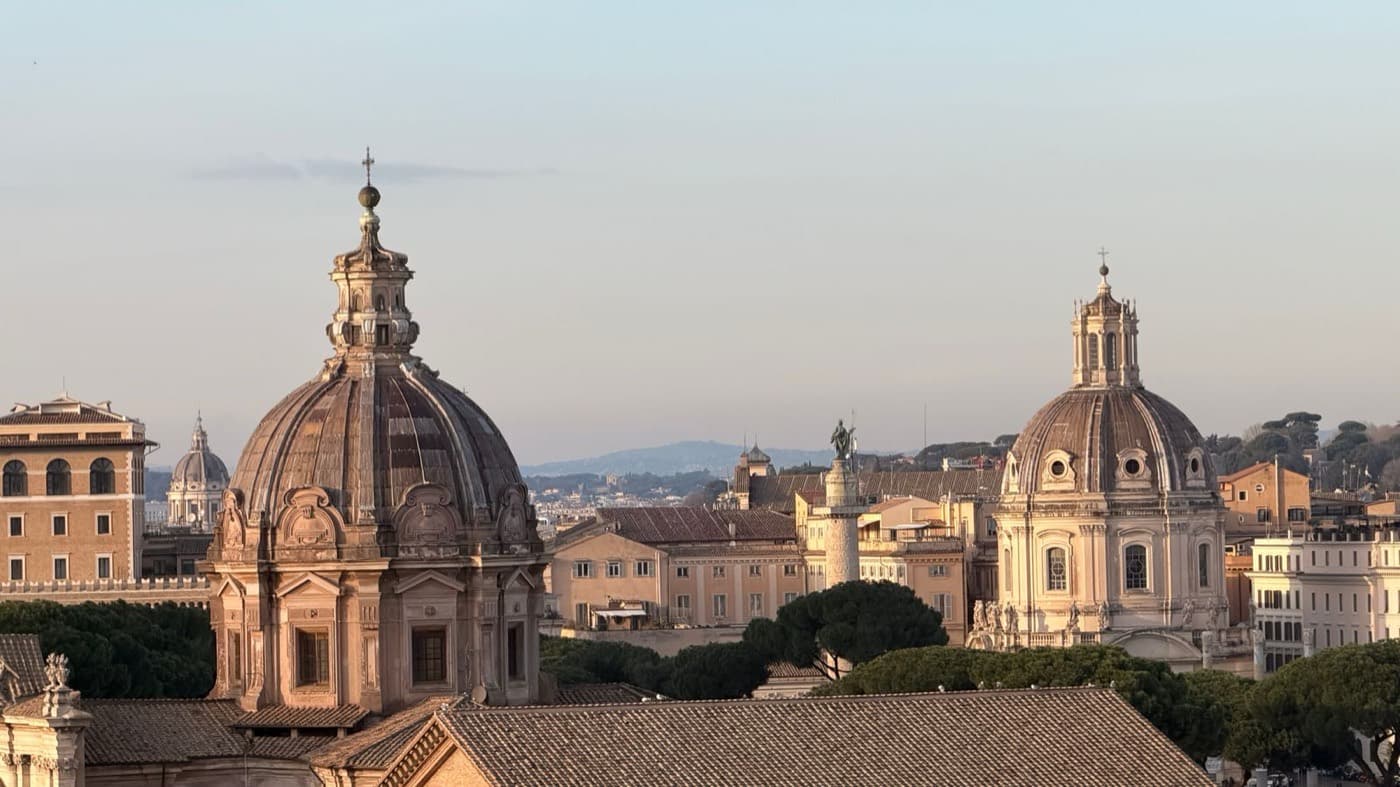
Study in Italy
Study in Italy, where public universities combine long academic tradition with comparatively low tuition costs.
About studying in Italy
Italy has a long university tradition and a growing number of degree programmes taught in English, particularly at Master’s level. It has become an increasingly popular European destination for Pakistani students.
Tuition at Italian public universities is comparatively low, and fees are commonly assessed against family income rather than charged at a single flat rate. Regional authorities also operate need-based support schemes that can cover fees and contribute towards living costs for eligible students. These schemes are competitive and have their own deadlines — they are not automatic, and eligibility must be established case by case.
Admission requirements vary by university and programme. Some English-taught programmes accept alternatives to a standard English test; others require one. Applications for many programmes also involve a pre-enrolment step through the Italian diplomatic mission.
Student permit holders are generally allowed to work a limited number of hours alongside their studies, subject to the rules in force at the time.
Why Italy
- Comparatively low tuition at public universities
- Income-assessed fees and need-based support schemes
- Growing number of English-taught programmes, especially at Master’s level
- Part-time work permitted within student permit limits
- Long-established universities across a range of disciplines
Popular fields of study
- Engineering
- Architecture and Design
- Business and Economics
- Computer Science
- Arts and Humanities
Requirements
What you will need for Italy
A general guide to the documents most applications require.
Academic Documents
- Academic transcripts from your most recent qualification
- Degree certificate or interim/provisional certificate
- Secondary school certificates where requested
Identity Documents
- Valid passport with sufficient remaining validity
- Passport-sized photographs meeting the relevant specification
Language Proficiency
- IELTS, TOEFL or PTE results where required by the institution
- Medium-of-instruction letter, where the university accepts one
Supporting Documents
- Statement of purpose or motivation letter
- CV or resume
- Letters of recommendation, where requested
- Evidence of funds for tuition and living costs
Italy-Specific Documents
- Pre-enrolment documentation submitted through the Italian diplomatic mission
- Declaration of value or equivalent recognition of your prior qualification, where requested
- Income and family documentation, where applying for need-based fee assessment or support
Requirements may vary
Process
Applying to Italy
- 01
Review your profile
We look at your academic background, budget and goals to identify programmes that realistically fit.
- 02
Shortlist programmes
We narrow the options to institutions and courses matching your qualifications and intended intake.
- 03
Prepare your application
We help assemble transcripts, personal statement and supporting documents to each institution’s specification.
- 04
Submit and track
Applications are submitted through the relevant route and followed up until a decision is issued.
- 05
Offer and acceptance
Once an offer is received we guide you through acceptance and any deposit or enrolment steps.
- 06
Visa and departure
We guide you through preparing your student visa or residence permit application and getting ready to travel.
Questions
Italy FAQs
Is studying in Italy free?
No, but it can be inexpensive. Public universities charge fees that are commonly assessed against family income, so they can be very low for some students. Regional need-based schemes may cover fees and contribute towards living costs, but these are competitive and are not granted automatically.
Do I need IELTS?
It depends on the university and programme. Some English-taught programmes accept alternatives such as a medium-of-instruction letter or an internal assessment; others require a standard test. We confirm the requirement for each institution on your shortlist.
Are programmes taught in English?
A growing number are, particularly at Master’s level. Italian-taught programmes require proof of Italian proficiency. The language of instruction is confirmed per programme.
Can I work while studying?
Student permit holders are generally permitted to work a limited number of hours alongside study. The allowance is set by Italian immigration rules and can change, so we confirm the current position for your intake.
Ready to start your journey?
Submit your details and documents and let our team review your profile.
Start Your Application